Eau Claire Radon Mitigation: Radon Mitigation Services in Eau Claire, Wisconsin

Eau Claire Radon Mitigation provides radon mitigation system installation, repair, and maintenance, as well as radon testing for residential, commercial, and multifamily properties in Eau Claire, Wisconsin. Backed by 15 years of experience, our installation methods include active sub-slab depressurization (ASD), basement systems, crawl-space sub-membrane depressurization, sump and drain-tile suction, and passive system activation.

We provide real-estate radon testing, commercial and large-building testing, radon fan replacement, and radon-resistant new construction (RRNC). Commercial and multifamily systems may use multi-point soil depressurization with pressure-field extension testing for shared, divided, or mixed foundations. Every design is based on measured radon levels, foundation conditions, and sub-slab communication testing, following ANSI/AARST standards, including SGM-SF for residential mitigation and RMS-LB for large buildings.

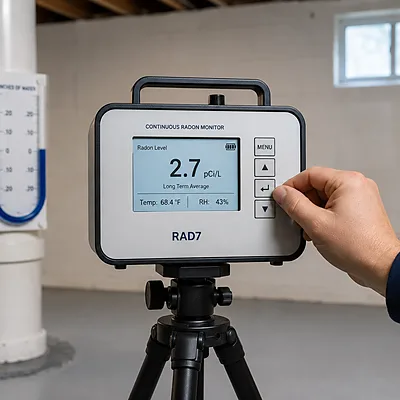
We test and verify with continuous radon monitors (CRMs), track system pressure with U-tube manometers, and select radon fans for each foundation’s airflow and static-pressure requirements. Systems are built for Wisconsin conditions, with condensation management, vent routing, discharge placement, and sealed sump covers and slab penetrations. For private wells, we provide waterborne radon testing and point-of-entry treatment with aeration or granular activated carbon (GAC), sized to the measured concentration and household water demand.

We carry general liability insurance, and provide free on-site consultations and estimates throughout Eau Claire, Chippewa, and Dunn counties. After installation, a post-mitigation test measures your property’s new indoor radon level and documents the reduction against the EPA’s 4.0 pCi/L action level, so you have a verified before-and-after record. Call today or use the quote form, and we’ll walk you through the testing, installation, or repair options appropriate for your property.

Get A Free Quote

Radon Is a Common Problem in Eau Claire-Area Homes

Radon risk maps help guide testing, but only a radon test can measure the level inside your home.

  • The EPA Map of Radon Zones places Eau Claire County in EPA Radon Zone 2, a predicted indoor average of 2 to 4 picocuries per liter (pCi/L) and a moderate screening risk. That unit measures how much radon is in the air.
  • The county average cannot determine a single home's result. Radon levels can differ sharply between neighboring houses because soil, foundations, and air movement vary.
  • About 1 in 10 Wisconsin homes test above the 4.0 pCi/L EPA action level, and Zone 2 homes can exceed it. The EPA also advises considering a fix between 2 and 4 pCi/L, where radon still carries some risk.
  • Radon is invisible and odorless, so you cannot detect it by sight or smell. New and older homes can both have elevated readings.
  • The EPA identifies radon as the second-leading cause of lung cancer. Testing provides the only reliable answer for your property.
EPA Map of Radon Zones for Wisconsin Wisconsin’s 72 counties shaded by EPA radon zone. Twenty-eight counties, spread across the southern tier and parts of central Wisconsin, are Zone 1 — the highest category, a predicted average indoor radon screening level above 4 pCi/L. The other 44 counties are Zone 2, between 2 and 4 pCi/L, and include the entire northern third of the state, the Lake Michigan shoreline, and Eau Claire County in west-central Wisconsin where this business is located. No Wisconsin county is Zone 3.
  • Zone 1 — highest potential. Predicted average indoor radon screening level above 4 pCi/L. 28 of Wisconsin’s 72 counties, across the southern tier and parts of central Wisconsin.
  • Zone 2 — moderate potential. Between 2 and 4 pCi/L. 44 counties, including the entire northern third of the state and the Lake Michigan shoreline. No Wisconsin county is Zone 3.
  • Eau Claire County — Zone 2.
County zones from the EPA Map of Radon Zones (https://www.epa.gov/radon/epa-map-radon-zones), developed in 1993. The EPA notes the map should not be used to decide whether an individual home needs testing: all homes should be tested, regardless of zone designation.

Why Choose Eau Claire Radon Mitigation

  • 15 years of local experience: Our insured radon mitigation company has handled residential, commercial, and multifamily radon across Eau Claire and the wider Chippewa Valley.
  • One accountable team: Testing, mitigation, and well-water treatment stay under one contractor, from the first measurement to the verified result.
  • Diagnostics before design: Every system starts with a measured radon result and a sub-slab communication test that shows how air moves beneath the home, so the fan, suction points, and pipe route fit the foundation.
  • Every install verified by retest: A continuous radon monitor documents performance after installation, backed by a manometer on every system.
  • Systems for every foundation type: We work on poured concrete, block, slab, additions, and crawl spaces, following the ANSI/AARST SGM-SF mitigation protocol.
  • Built for Wisconsin winters: Cold-rated fans, condensation management, and discharge placement that stays clear of drifting snow and roof runoff.
  • Commercial and multifamily ready: Multi-point soil depressurization with pressure-field extension testing, built to the ANSI/AARST RMS-LB standard for large buildings.
  • Free on-site estimates: We visit the property and present a written scope at no charge.
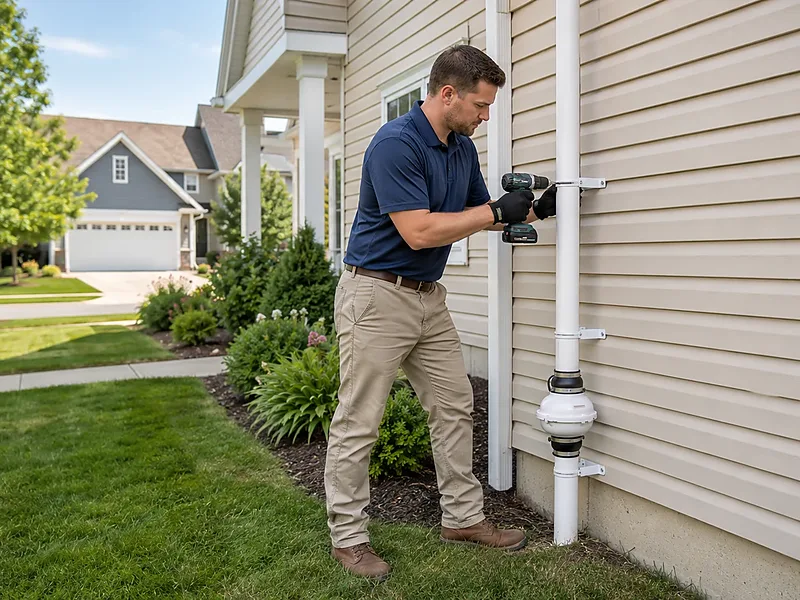
Radon mitigation technician securing an exterior vent riser

Radon Mitigation and Testing Services in Eau Claire and the Chippewa Valley

Our services cover active soil depressurization, radon testing, and well-water radon treatment for homes, multifamily properties, workplaces, schools, and retail buildings.

Commercial Radon Mitigation

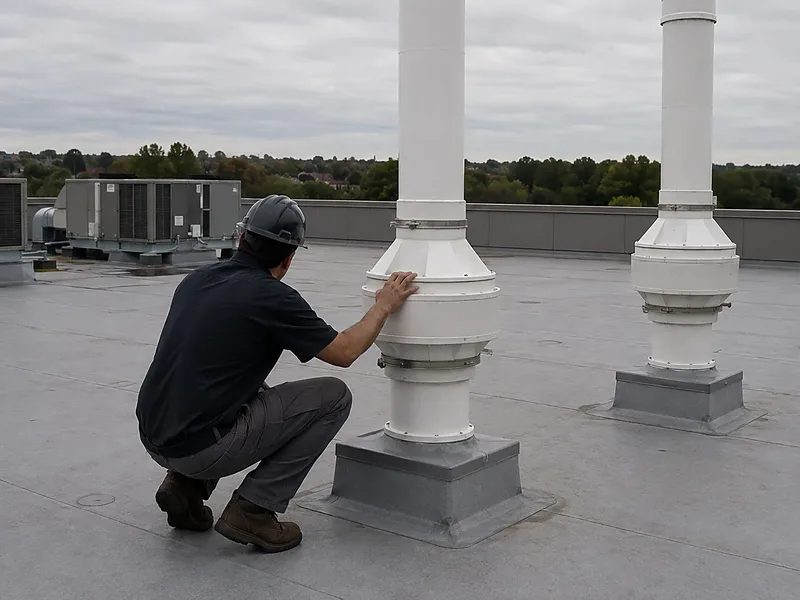
Rooftop radon fans on a commercial building

Large commercial buildings need suction across a big footprint, well beyond one mechanical room or slab section. We design multi-point active soil depressurization with several balanced suction points and a commercial-grade radon fan, and a pressure-field extension test confirms that each point draws across its assigned area. The system is coordinated with the building's HVAC and make-up air so it does not create pressure conflicts. Vent stacks discharge above the roofline, and the build follows the ANSI/AARST RMS-LB standard for schools and large buildings.

Multifamily Radon Mitigation

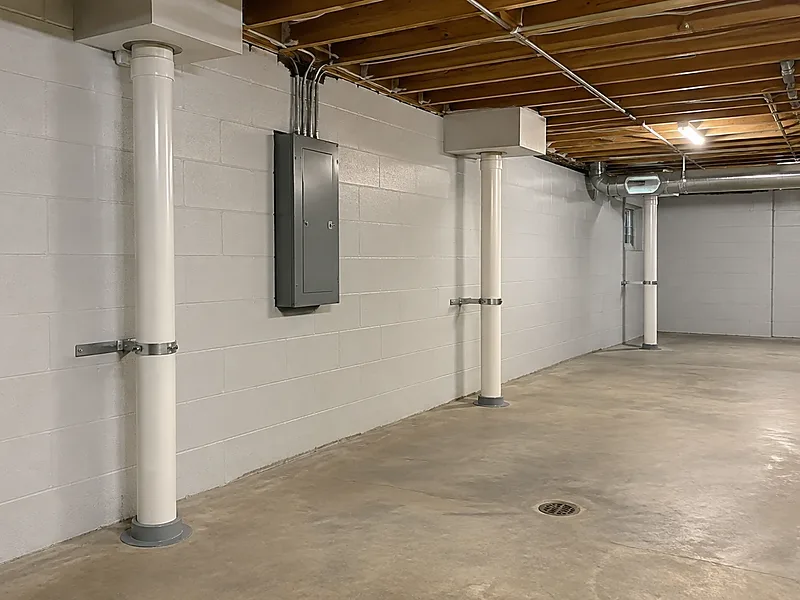
Radon vent risers in a shared multifamily basement

Apartments and condominiums need a per-building plan for shared foundations and separate living spaces. We test unit by unit, focusing on ground-contact units and common areas. Connected slab sections can share one sub-slab system, while a zoned layout gives separate control where foundations differ. Fans and piping route away from tenant space. HUD radon requirements set testing and mitigation duties for HUD-backed properties, and a per-unit retest confirms the result in each unit after the system is installed.

Crawl Space Radon Mitigation

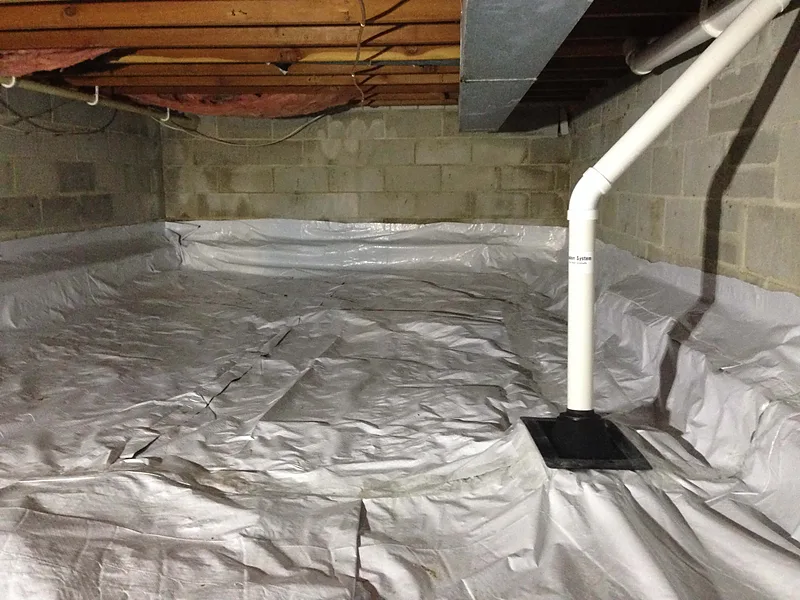
Sealed crawl space membrane with a radon suction riser

A crawl space has exposed soil, so it needs a sealed surface before a fan can pull radon effectively. We lay a continuous 6-mil polyethylene vapor barrier, or a heavier sheet where storage and foot traffic call for it. The seams are taped and the edges sealed to the foundation, which also encapsulates the crawl space and cuts soil moisture. A sub-membrane system then draws radon from beneath the barrier, and we confirm the barrier is holding suction before we finish.

Sub-Slab Depressurization

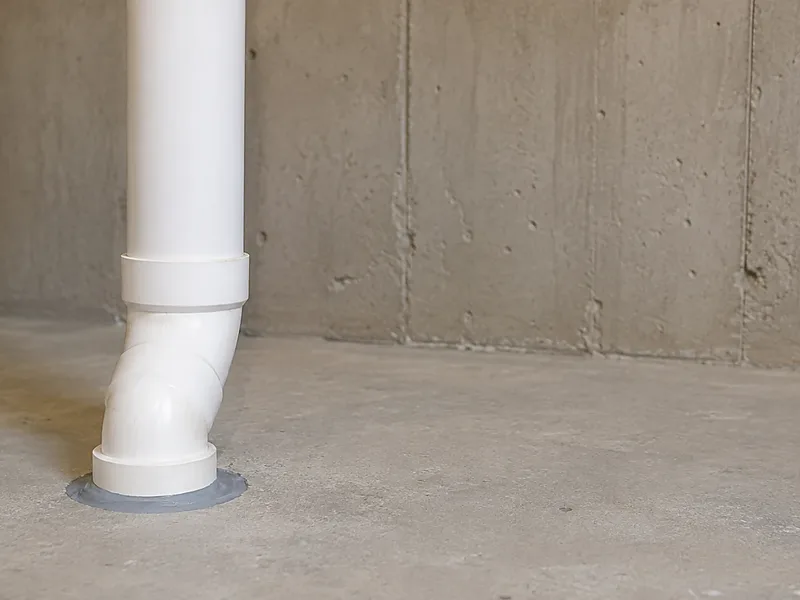
Sub-slab suction point riser at the basement slab

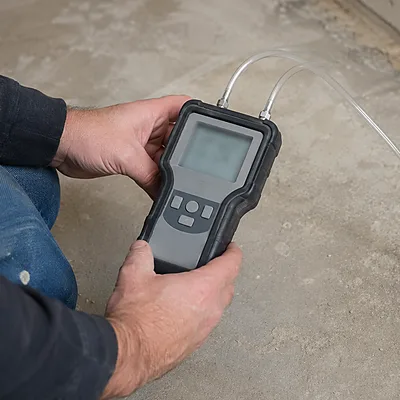
Sub-slab depressurization is the core active method under a concrete floor. We cut a suction pit through the slab to reach the aggregate below, then seal the penetrations, joints, and sump cover so basement air does not weaken the draw. A continuous radon fan — what many homeowners call a radon pump — drives the radon vent system, pulling the soil gas up a PVC stack to a discharge above the roofline. A manometer shows the system is holding suction. Added suction points cover a larger or divided slab.

Basement Radon Mitigation

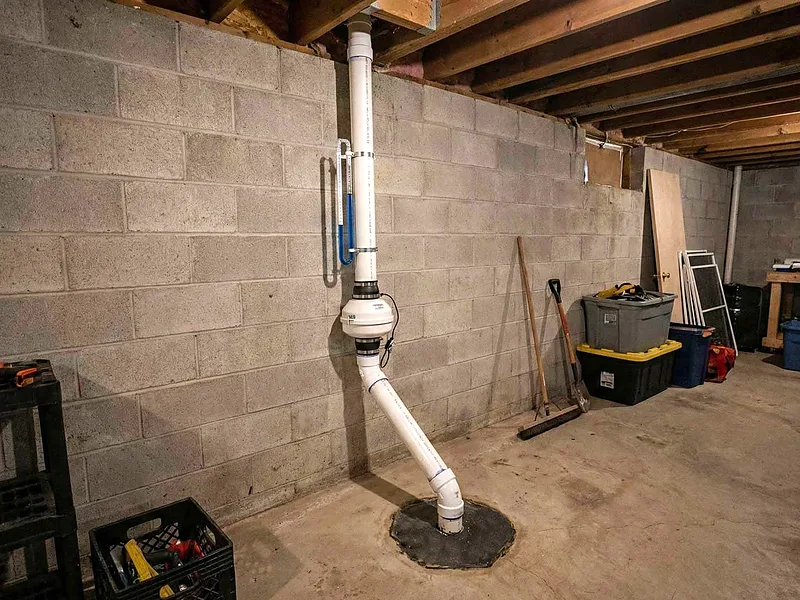
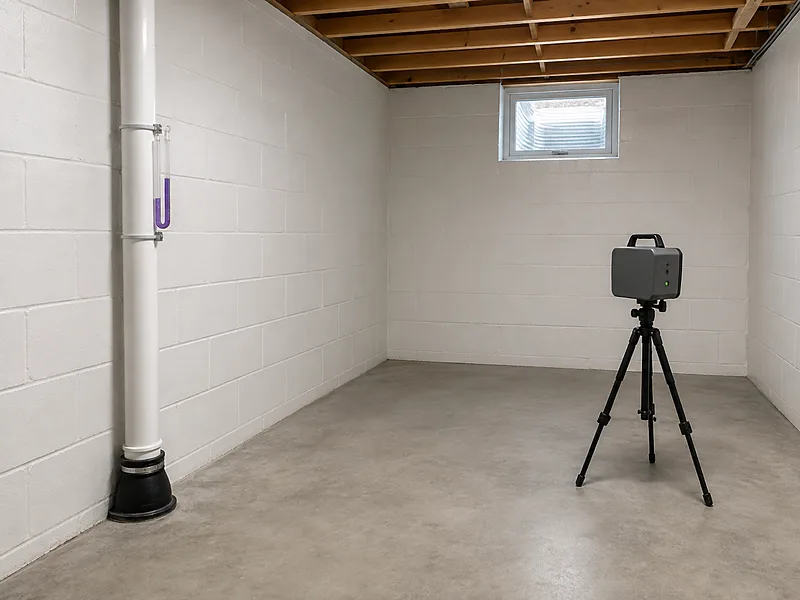
Radon mitigation system in an unfinished basement

A basement that tests high is the most common radon problem we solve. We fit a sub-slab system, seal the paths radon takes into the finished space, and retest to confirm the drop. Radon reaches a basement through foundation cracks and control joints, the slab-wall edge, utility penetrations, and an unsealed sump, so closing those routes supports the suction under the slab. In a finished basement, we plan the pipe route to keep the visible run tidy, and a manometer gives you a quick daily check that the system is holding. Most homes are finished in a day, and you get a quiet fan and a documented result.

Radon Mitigation System Installation

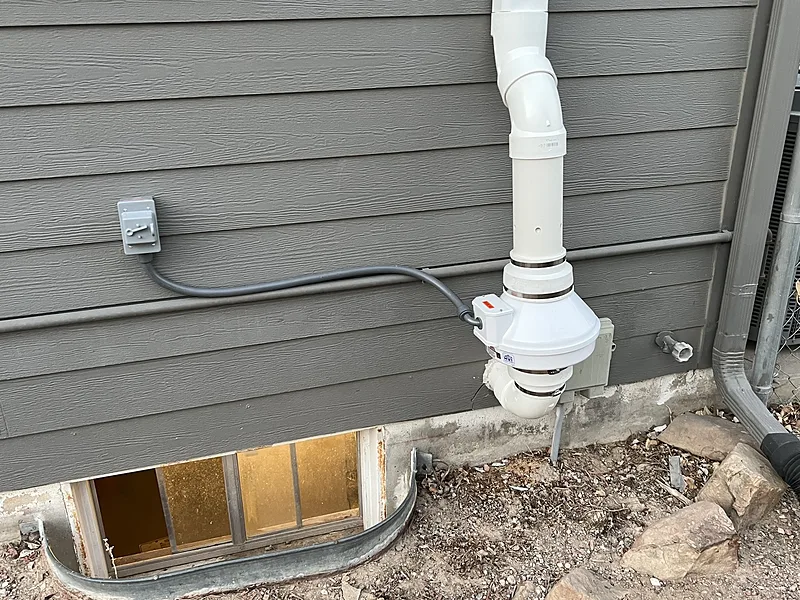
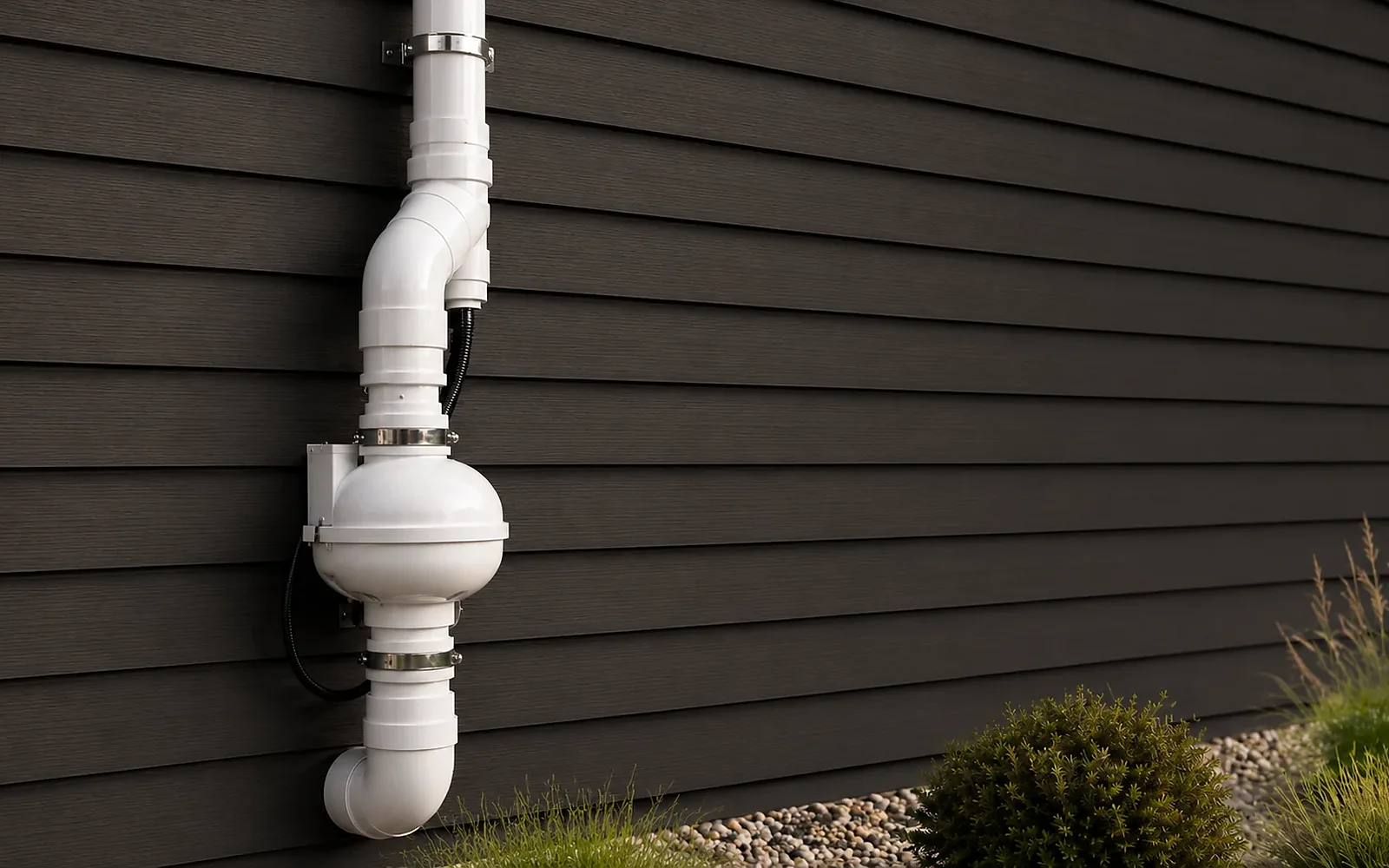
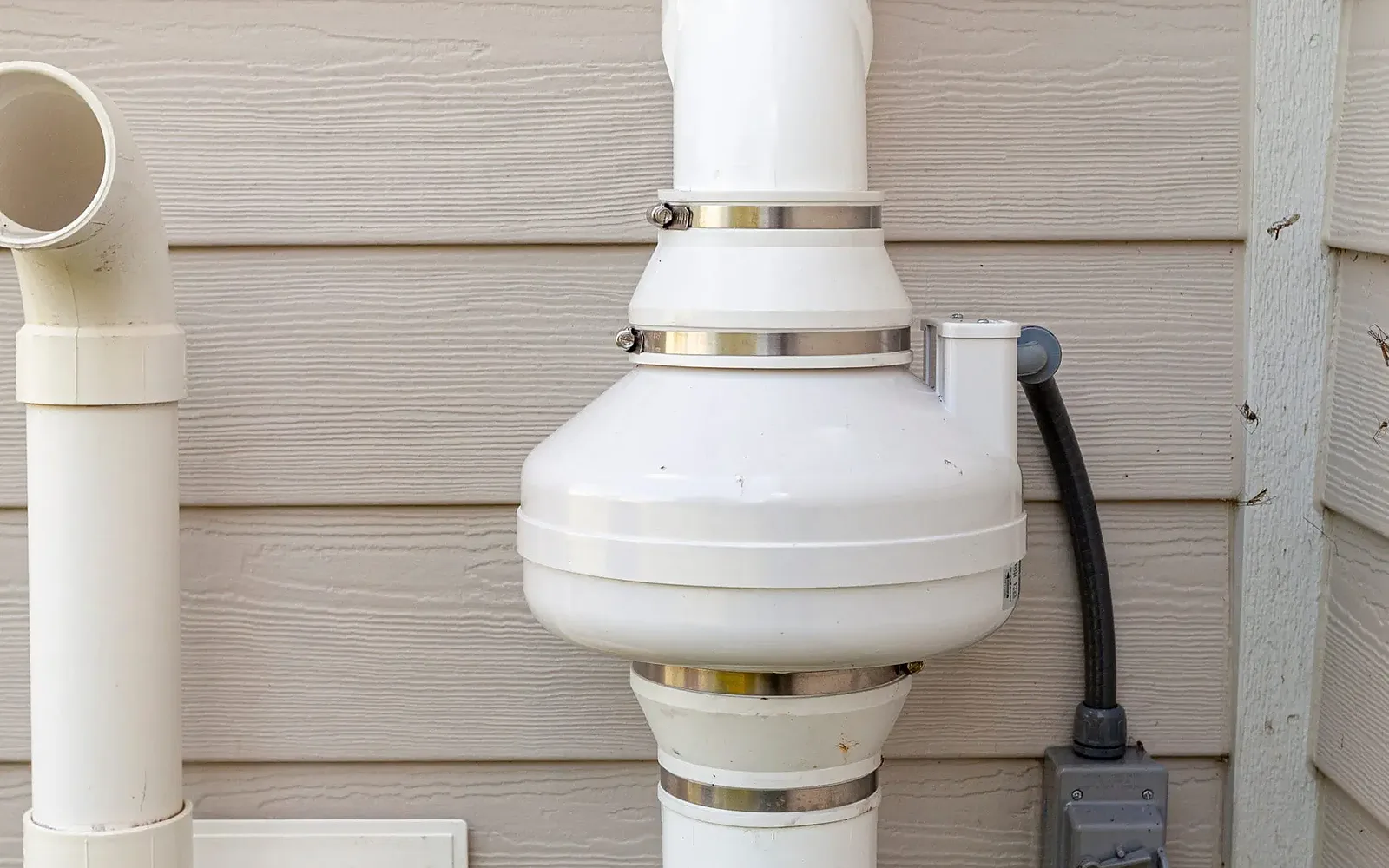
Newly installed exterior radon fan at the foundation

A full installation is the complete, tested radon reduction system, designed for the specific house. We size it from the radon reading and the foundation, then choose interior or exterior routing to fit the layout and keep the visible pipe tidy. Sealing the openings, labeling the system, and mounting a monitor are all part of the build. Discharge placement follows ANSI/AARST guidance so exhaust clears windows and living space, and a post-install test documents the reduction on paper.

Radon-Resistant New Construction

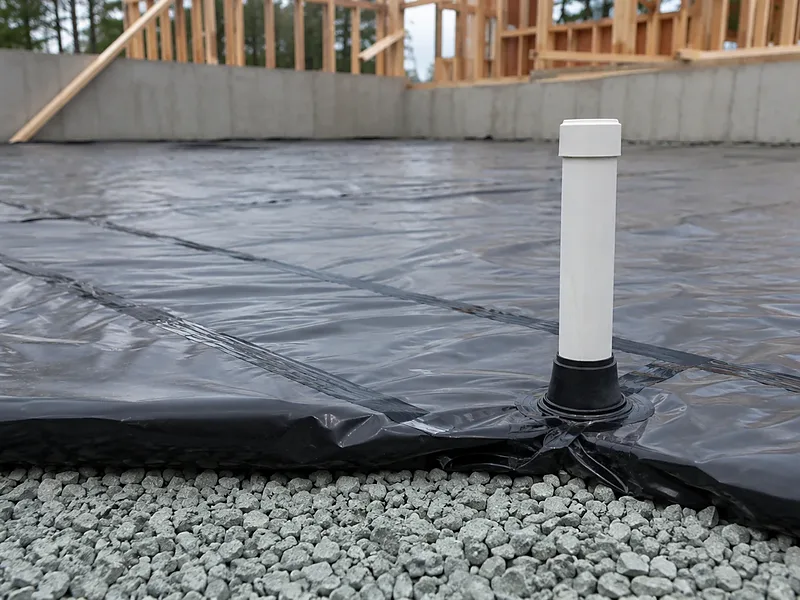
Radon rough-in vent stub in a new-construction vapor barrier

During a build, radon control is far cheaper to add while the foundation is still open. Radon-resistant new construction starts with a layer of gas-permeable aggregate under the slab and a vapor retarder above it, with penetrations sealed as the work goes in. A capped vent stack runs from that layer up through the house, all built to current code. If post-occupancy testing finds elevated radon, a fan can later be added to activate the system.

Commercial & Large-Building Radon Testing

Continuous radon monitor in a large commercial building

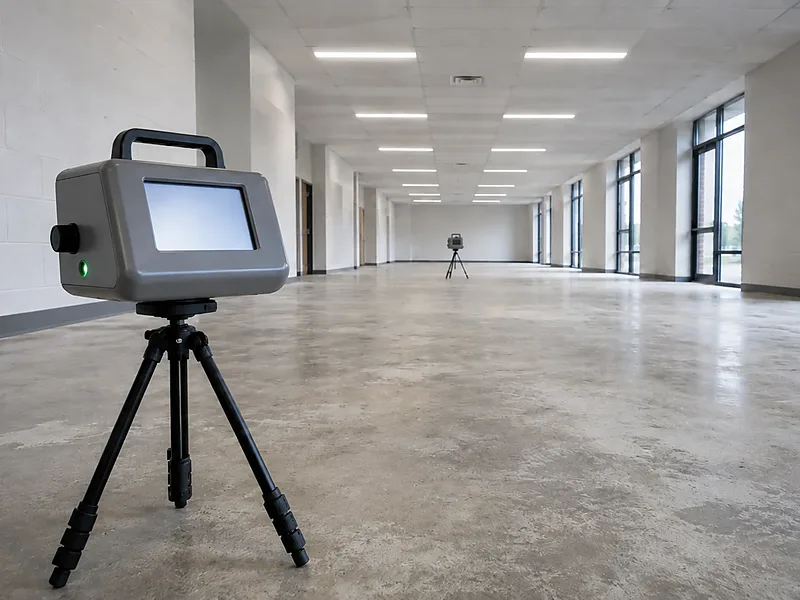
A large building can't be judged by one test in a single room. We lay out a device placement grid by floor area, ground contact, and how each space is used, with the device density set by the ANSI/AARST measurement protocol for large buildings. Continuous radon monitors run over the measurement period under closed-building conditions. Every reading maps back to its area, so owners and lenders get a clear picture for mitigation planning, a property review, or follow-up testing.

Passive Radon System Activation

Radon fan installed on a passive stack in an attic

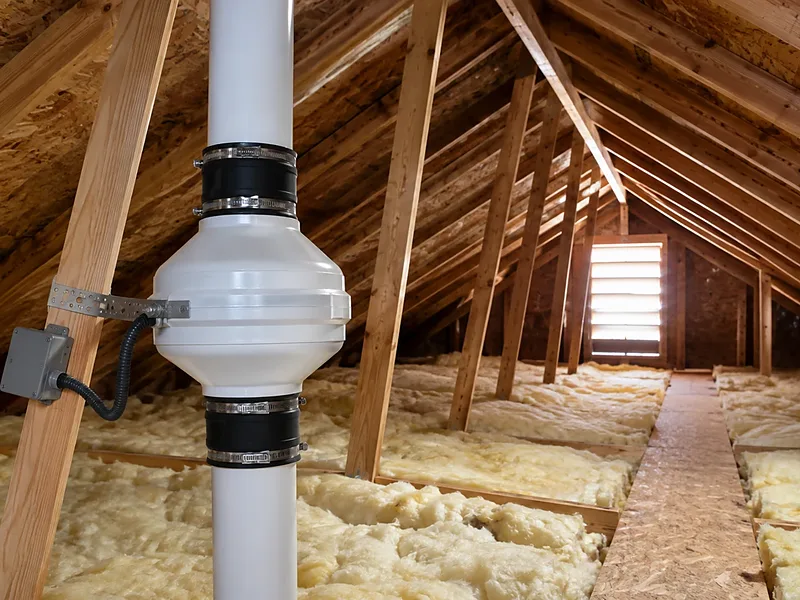
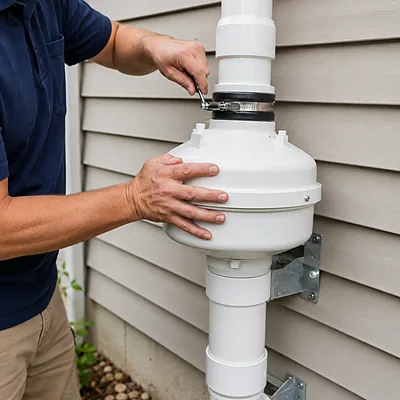
Some homes are built with a passive stack, a vent pipe from under the slab to the roof but with no fan. We confirm the stack reaches a proper discharge and seal any gaps left around it, then add an in-line radon fan sized to the pipe. The fan turns the stack's natural airflow into steady mechanical suction, and a monitor lets the homeowner see it is working. A test afterward shows how far the activated system reduced the home's radon.

Radon System Repair & Maintenance

Technician servicing an exterior radon fan

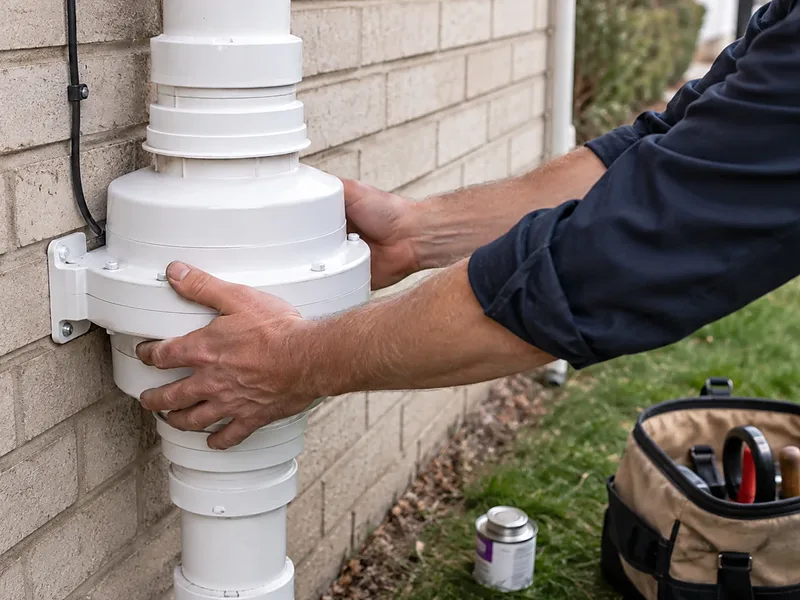
An older system can lose suction through a worn-out fan, a cracked or separated pipe joint, or a leaking sump cover. We read the manometer first to see whether the system still holds the right pressure difference. A failed or noisy fan gets replaced, cracked fittings are resealed, and a loose sump cover is closed up. Radon fans wear out over years of continuous running, so replacement is normal maintenance. Once suction is back, a retest confirms the repair worked.

Real Estate Radon Testing

Continuous radon monitor set up in a vacant home for a real estate transaction

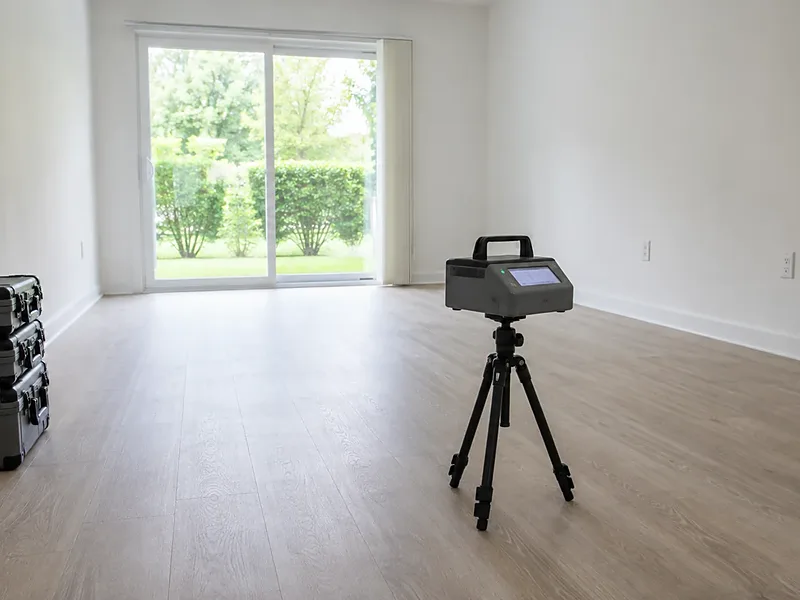
Property transactions need a prompt result that buyers, sellers, and inspectors can document. We conduct a real-estate transaction radon test with a 48-hour continuous monitor test, which records readings throughout the measurement period and flags device movement. The monitor runs under closed-house conditions for a defensible result, and we schedule placement and pickup around the transaction timeline and inspection deadline. The completed report identifies the test location, measurement period, average concentration, and monitor data for the sale file.

Radon Testing

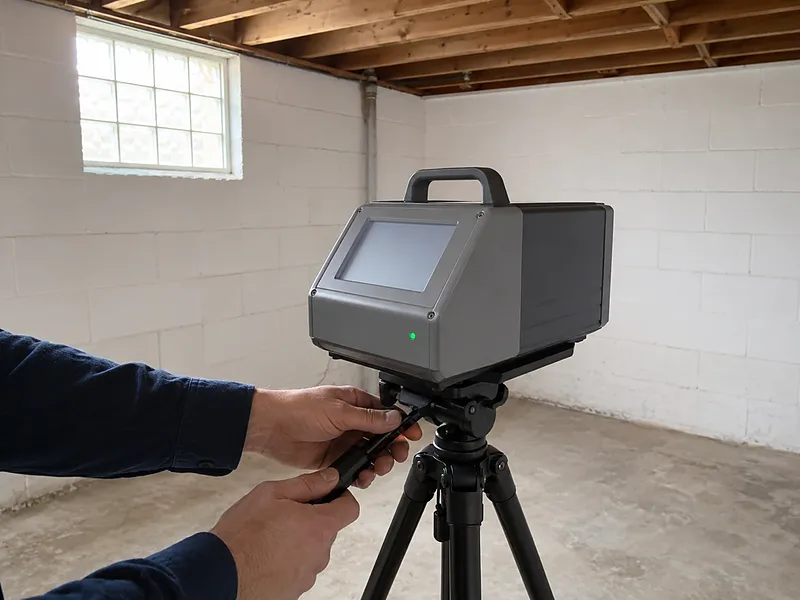
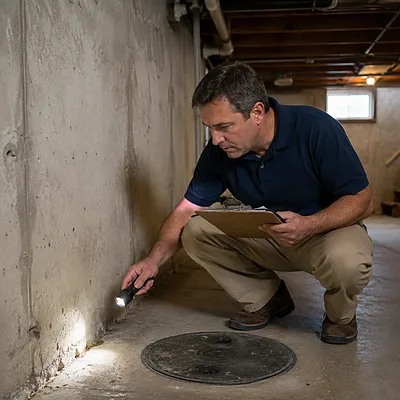
Placing a continuous radon monitor in a basement

Homeowners can choose a test based on how quickly they need an answer and how much seasonal variation they want to capture. A charcoal canister test provides a short-term screening measurement. An alpha-track detector supports a 91-day long-term test and can remain in place for up to one year. A continuous radon monitor supplies a faster logged reading with hourly data. We compare the result with the 4.0 pCi/L action level. Elevated short-term findings receive confirmation before we recommend a mitigation system.

Custom Radon Mitigation Systems for Every Foundation Type

We match each system to the foundation, because poured, block, and slab-on-grade foundations move soil gas differently.

Foundations We Work With

Older Eau Claire homes often have a poured-concrete basement or concrete-block wall construction with joints and penetrations that can admit soil gas.

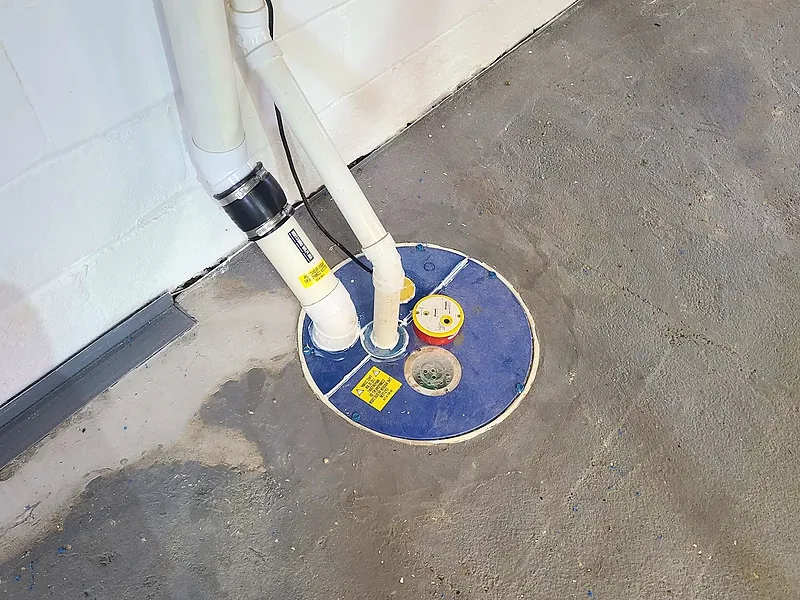
Sealed sump pit with a radon suction point

A slab-on-grade home has less room for indoor piping, while an addition may sit on a separate slab from the original house. Crawl spaces bring exposed soil into the building envelope. Basement-and-crawl combinations and other mixed foundation areas may need separate collection zones. The layout, slab condition, and connections between multiple foundation areas determine the required sealing and number of suction points.

Mitigation Methods We Use

A sub-slab communication test points us to the right method for each foundation. Sub-slab depressurization works under a poured slab. Drain-tile suction taps an existing perimeter drain, while sump-pit suction pulls from a sealed sump on that same line. Block-wall depressurization clears the hollow cores of a masonry wall. Sub-membrane depressurization goes under a sealed liner in a crawl space.

The foundation decides which of these fits, and often a home needs more than one. We build the finished radon mitigation system to the ANSI/AARST SGM-SF standard for existing one- and two-family homes.

How Radon Enters Eau Claire Homes

Radon enters a home from the soil below, where a pressure differential pulls soil gas through cracks and other foundation openings.

Where It Comes From

Radon forms naturally through uranium decay in soil and bedrock. The air pressure inside a house is usually lower than the pressure in the soil beneath it. The indoor-outdoor pressure differential draws soil gas up through the foundation toward the basement or lowest floor. Eau Claire County’s Zone 2 geology still produces individual homes above the action level.

The Entry Points

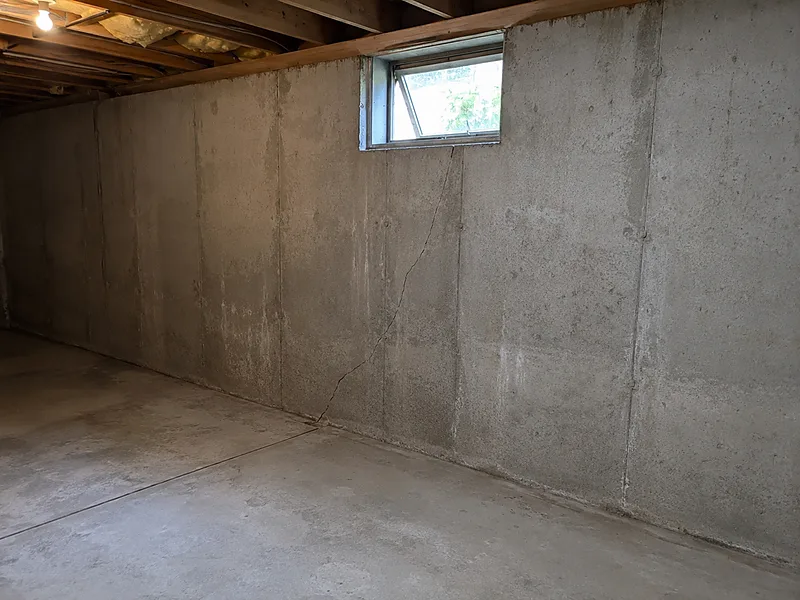
Common routes include foundation cracks and control joints, the slab-wall edge, and utility penetrations for water lines, gas piping, or conduit. Soil gas can also pass through the sump pit and floor drains, especially around an unsealed cover. In concrete-block foundations, a connected block-wall cavity can carry radon upward to an indoor opening. Finding these paths shows where sealing can support pressure control beneath the foundation.

Foundation crack that can admit soil gas

Active vs. Passive Radon Systems

A passive radon system relies on natural airflow, with no fan. An active radon system adds a fan for constant, controlled suction and monitoring.

Cutaway of a passive radon system: a vent pipe runs from beneath the floor slab up through the house and out the roof with no fan, relying on natural airflow.

Passive System

A passive radon system works through a passive radon stack and no powered fan. Gravity and natural draft carry soil gas up the pipe, so the flow rises and falls with outdoor temperature, wind, and indoor pressure.

  • Relies on natural draft, so it is silent and costs nothing to run.
  • Suction rises and falls with outdoor temperature, wind, and indoor pressure.
  • A passive system is inconsistent from one season to the next.
  • It can still leave a home above the action level, and a winter test is often where that reading surfaces.
Cutaway of an active radon system: a vent pipe runs from beneath the floor slab, out through the wall above grade, and up the outside of the house to discharge above the roofline, with an in-line fan mounted on the exterior wall pulling soil gas from under the slab.

Active System

An active system adds a powered radon fan, so its suction never depends on the weather. The fan pulls soil gas out at a steady rate, even on the mild or gusty days when a passive stack loses its draft.

  • A powered fan pulls soil gas out at a steady rate, whatever the weather.
  • It holds suction even on mild or gusty days when a passive stack loses its draft.
  • A monitor and a manometer let the homeowner confirm at a glance that the system is running.
  • Because it runs continuously, it provides consistent radon reduction throughout the year.

Testing is what decides between them. A passive stack with a reading above the action level usually needs a fan added rather than a whole new system.

Testing and Post-Mitigation Verification

Testing sets the design baseline at the start of the job and provides verification that the finished system reduced radon.

Testing Before System Design

We establish a measured baseline under closed-house conditions, with exterior doors and windows kept shut except for normal entry. A continuous radon monitor logs hourly readings during a short-term test, while an alpha-track detector measures average exposure over a longer period. Choosing a short vs long-term test depends on the project timeline and the need for seasonal data. Readings from different foundation areas help us locate the strongest radon source, select suction-point locations, and size the fan and piping.

Verification After Installation

A post-mitigation retest measures the indoor level after the system has operated and checks it against the 4.0 pCi/L action level. The new reading becomes the home’s post-installation baseline. Between radon tests, the manometer provides a quick visual check that the fan still creates pressure beneath the slab. Our recommended retest cadence is about every 2 years, with another measurement after a major remodel, foundation work, or HVAC change that could alter airflow through the building.

How Much Does Radon Mitigation Cost?

Radon mitigation cost depends on the home and the system design. Wisconsin DHS estimates that a typical radon mitigation system costs about $1,000 to $2,000, with the final price shaped by the foundation, installation method, and required equipment.

What Moves the Price

Foundation type and suction-point count have the greatest effect on labor and equipment. A finished basement can require a longer or less direct pipe route than an open utility area. Separate foundation sections, additions, and crawl spaces may need more than one suction point. Existing drain tile or a sealed sump can simplify soil-gas collection. Interior vs exterior routing changes the amount of vent piping and finish work. We also account for fan sizing and access to a suitable electrical connection.

What a Complete Proposal Includes

Our written proposal covers the complete installation, including vent piping and fan equipment, system labeling, penetrations, and weatherproof exterior components. The price also includes licensed electrical work for the fan and post-mitigation verification. We identify each included item before work begins. A radon fan runs continuously, but its electrical draw is modest and commonly comparable to a light bulb. Larger fans use more power, so proper sizing controls both suction and operating cost.

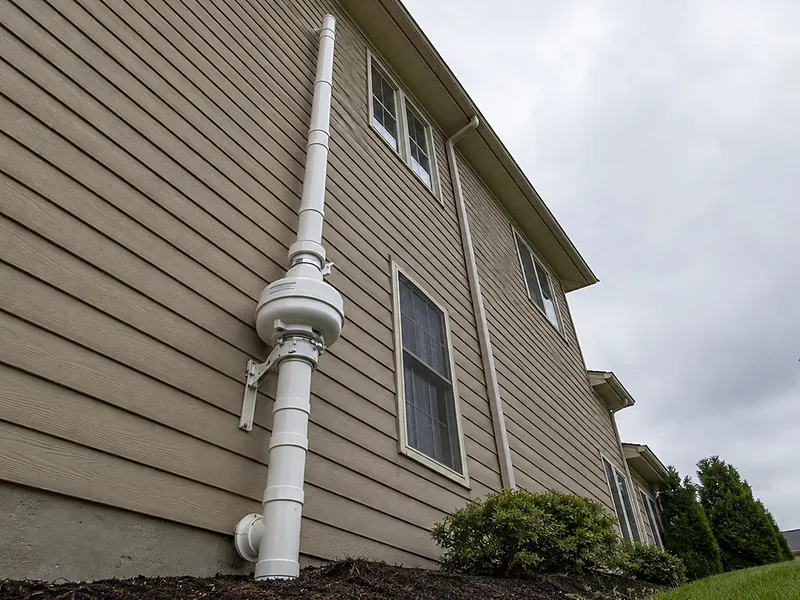
Complete exterior radon mitigation system on an Eau Claire-area home

Our Radon Mitigation Installation Process

Eau Claire Radon Mitigation guides your job from radon result review through installation and post-install verification.

  1. 1.

    Review Your Radon Results

    We review your radon result and explain what the reading means for the property. If you lack a current measurement, we arrange testing before the estimate.

  2. 2.

    Inspect the Property

    We check the foundation and basement, from the slab and sump to the drain tile, crawl spaces, and possible pipe routes. You receive a clear installation plan for the property.

  3. 3.

    Perform System Diagnostics

    We run a sub-slab communication test and use the result to place the suction points. You see the proposed system location before approving the work.

  4. 4.

    Install the System

    Our crew installs the complete system in most homes within a single day, then seals the openings that let soil gas in.

  5. 5.

    Complete Licensed Electrical Work

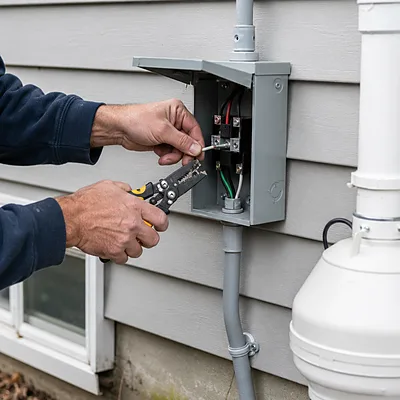
    A qualified electrician wires the fan with licensed electrical work. You receive a permanent connection that supports continuous operation without relying on an extension cord.

  6. 6.

    Verify System Performance

    We complete a post-install retest and document the verified radon level. Your post-install verification records include the new result and basic system information.

Book your on-site estimate through our quote form or call (534) 200-9007.

Call Now: (534) 200-9007

How Wisconsin Winters Affect Radon Systems

Radon in winter requires cold-climate equipment and a radon ventilation system that holds steady airflow through Eau Claire’s closed-house heating season.

Why Winter Readings Run Higher

Winter readings often run higher because heated indoor air rises and increases the pressure difference between the house and the soil. Contractors call this the stack effect. A heating-season closed house also has less outdoor-air exchange to dilute radon. January averages about 14°F in Eau Claire, so homes stay sealed for long stretches. Winter testing provides a useful picture of seasonal exposure and confirms that an existing system maintains suction during colder conditions.

Cold-Climate System Design

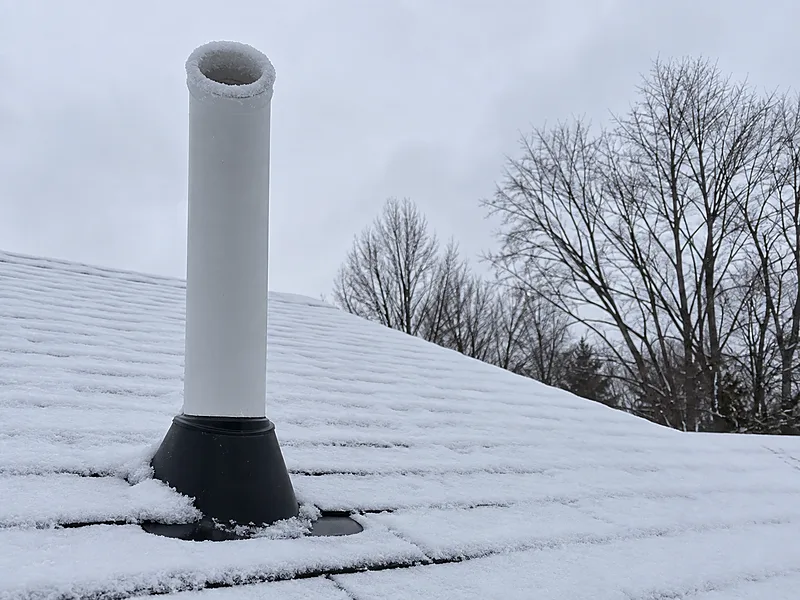
We use a fan rated for sub-zero operation and piping rated for thermal cycling, which withstands repeated temperature changes without losing sound joints. The vent layout directs condensation back through the system instead of letting moisture collect in exposed pipe. Eau Claire receives ~55 in. annual snowfall, so we place the discharge where drifting snow and roof runoff cannot block it. Secure supports also keep exterior piping stable through wind, ice, and seasonal movement.

Radon vent stack above a snow-covered Wisconsin roof

Radon in Well Water Around the Eau Claire Area

Some rural Chippewa Valley homes use private wells, which can carry waterborne radon into the house.

How Waterborne Radon Differs

Radon in water follows a separate route from soil gas and requires its own sample. Waterborne radon off-gassing occurs when dissolved gas escapes into indoor air during showering, laundry, and other water use. Private well testing measures the water directly rather than relying on an indoor-air result. Testing can be worthwhile for rural Chippewa Valley wells across Eau Claire, Chippewa, and Dunn counties, although a private well does not automatically indicate elevated radon.

Treatment Options

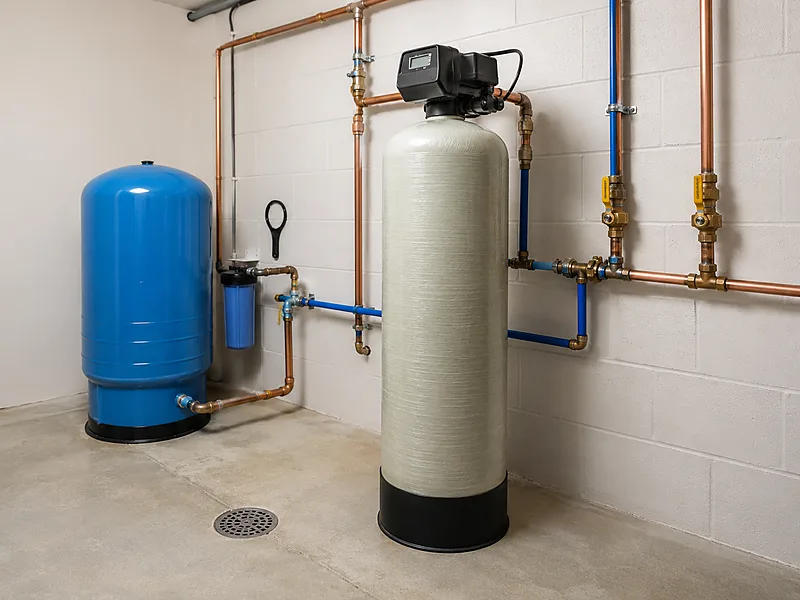
We test the well water and, if it reads high, install treatment at the point of entry on the incoming line, so the whole house is covered at the source. An aeration system moves air through the water and vents the released radon outdoors before the water reaches your taps. Aeration treatment is commonly selected for higher measured levels. Granular activated carbon (GAC) traps radon on a carbon filter bed and can suit lower concentrations. We base point-of-entry sizing on the laboratory result and the home’s peak water demand, so the treatment unit can handle the full household supply at the required flow rate.

Eau Claire and the Communities We Serve

The city grew around the confluence of the Eau Claire and Chippewa rivers, with the University of Wisconsin-Eau Claire, Carson Park, and Pablo Center at the Confluence woven into daily life. Eau Claire also marks the northern Driftless Area and is known as Menards’ hometown. The city connects farms, wooded lots, and small communities across the Chippewa Valley.

Cold, snowy winters keep houses closed for long stretches, which can raise indoor radon readings. The area’s mix of poured-concrete basements, block foundations, crawl spaces, and slab-on-grade homes calls for site-specific testing. Rural properties with private wells add another testing need. We provide year-round radon testing, mitigation, system service, and well-water treatment throughout the valley.

Aerial view of Eau Claire, Wisconsin along the Chippewa River

Eau Claire Neighborhoods We Serve

  • Third Ward
  • Eastside Hill
  • Historic Randall Park
  • North River Fronts
  • Putnam Heights
  • London Road
  • Oakwood Hills
  • Memorial
  • Fairfax
  • Buffington
  • Shawtown
  • Upper Westside
  • West Ridge
  • Silvermine
  • Sherman Creek
  • Lamplighter/Crestview
  • North Side Hill
  • Princeton Valley
  • Dells
  • Sundet

Areas We Serve Around Eau Claire

Eau Claire Radon Mitigation serves communities throughout the surrounding Chippewa Valley, including:

  • Altoona
  • Lake Hallie
  • Chippewa Falls
  • Menomonie
  • Elk Mound
  • Fall Creek
  • Tainter Lake
  • Colfax
  • Cadott
  • Bloomer
  • Jim Falls
  • Augusta
  • Osseo
  • Mondovi
  • Durand
  • Boyceville
  • Knapp
  • New Auburn
  • Stanley
  • Cornell
  • Holcombe
  • Elmwood

What Chippewa Valley Customers Say

Frequently Asked Questions

What Does Radon Mitigation Cost in Eau Claire?

Wisconsin DHS estimates a typical system at $1,000 to $2,000. Multi-point suction or exterior pipe routing can move the price higher, so we provide a free written estimate.

Are You Licensed and Insured?

Wisconsin does not issue a state radon license. We carry insurance, provide free estimates, follow EPA guidance and the ANSI/AARST standard, then verify performance with a post-installation test.

Can I Test for Radon Myself?

Yes. You can use a charcoal kit for short-term screening or an alpha-track kit for longer monitoring. Confirm any result at or above 4.0 pCi/L before making mitigation decisions.

What Time of Year Is Radon Highest?

Readings are often higher during winter. The stack effect pulls more soil gas into a heated house, so retest during the heating season if you only tested in summer.

Does Radon Mitigation Actually Work?

Yes. Active soil depressurization sharply reduces indoor radon, often to well below 2.0 pCi/L, and a follow-up test records the system’s actual result in your home.

Is Radon Remediation Different From Radon Mitigation?

No — radon remediation, radon abatement, and radon mitigation all describe the same work: installing a radon reduction system that lowers the indoor level. One honest note on wording: no contractor can promise total radon elimination, because some radon is always present in outdoor and indoor air. A properly built system reliably brings the reading below the 4.0 pCi/L action level, and usually well below it.

Is It Hard to Sell a House With a Radon System?

A verified system can resolve a buyer’s radon test contingency. Keep your post-mitigation records and verified test results available for the buyer to review.

How Soon Can You Install After I Accept the Estimate?

We schedule installation after you approve the written estimate. Most residential systems are single-day installs, while larger or multi-point projects may require staged visits and a later retest.

How Do I Know if My Radon System Needs Service?

Check for a noisy or stopped radon fan, no pressure difference on the manometer, or a higher radon result. We diagnose the equipment, complete repairs, and retest the home.

Do I Have to Disclose Radon When I Sell in Wisconsin?

Review the current radon disclosure item in the Wisconsin real estate condition report under Wis. Stat. 709.03. Keep system verification and test records ready for the buyer.

Get a Free Radon Mitigation Estimate in Eau Claire

Start with a free on-site estimate from Eau Claire Radon Mitigation. We handle testing, system design, installation, and final verification throughout the Chippewa Valley. Your system will fit your home’s foundation, and a post-mitigation test documents the result.

Reach us at (534) 200-9007 or use the quote form to discuss your property.